Instantly Bookable Sustainable Eco‑Tours Across Canada

Set your compass for meaningful travel today with sustainable eco‑tours across Canada that you can book in moments and experience for years in your memory. We spotlight low‑impact adventures guided by experts and community stewards, balancing spontaneity and responsibility. Expect transparent sustainability metrics, fair local partnerships, science‑backed wildlife practices, and flexible logistics that respect fragile places. Whether you crave coastal rainforests, alpine meadows, or tidal marvels, you can confirm responsibly curated departures instantly and step into landscapes that remain healthier because you visited thoughtfully.

Book Now, Travel Gently

Instant booking should simplify decisions, not oversimplify stewardship. These departures are inventory‑linked to permits, seasonal capacities, and sensitive habitat windows, ensuring your confirmation never nudges a place beyond its limits. Digital vouchers reduce paper waste, while real‑time updates keep you aligned with weather, trail conditions, and wildlife considerations. You get the ease of a single click paired with built‑in safeguards: capped group sizes, certified guides, and operators audited for emissions, equity, and ethics, so your adventure begins responsibly the moment you press confirm.

Instant Confirmation Without Overcrowding

Behind the scenes, each available spot reflects verified capacity tied to park permits, Indigenous community agreements, and trail quotas. Timed entry slots and staggered departures spread footprints, reducing bottlenecks on popular routes. When conditions change, the system automatically hides dates or switches to alternative paths that protect sensitive sites. You still enjoy spontaneity, yet the ecosystem receives the space and silence it deserves, helping wildlife feed, migrate, and rest without constant human pressure or noise.

Clarity at Checkout

Before you pay, you’ll see carbon estimates per traveler, the operator’s certifications, community contributions, and any conservation fees, presented plainly. Options to offset emissions are paired with guidance to reduce them first through route choices and lighter transport. You’ll understand where your money goes, how guides are compensated, and what access fees support on the ground. Clear expectations foster trust, making you an informed participant in preserving watersheds, trails, and wildlife corridors rather than a passive visitor.

Coast to Peaks: Routes That Respect the Land

From Pacific mist forests to prairie skies and Atlantic swells, routes are curated to showcase wonder while protecting what makes each place irreplaceable. Boardwalks and raised paths guard fragile root systems in wet zones; alpine starts avoid midday trail crowding; tidal schedules ensure shorebirds feed undisturbed. Your guide interprets natural rhythms, cultural stories, and scientific context so each step deepens care. By moving thoughtfully through varied ecoregions, you witness abundance without extracting from it, leaving habitats resilient for seasons ahead.
In British Columbia’s temperate rainforests, cedar scents mingle with ocean breeze as you follow wooden boardwalks and soft‑spoken trail etiquette. Low‑wake boats respect kelp beds sheltering juvenile fish. Intertidal walks happen at carefully chosen tides, leaving barnacles and anemones undisturbed. On islands like Haida Gwaii, local guardians oversee access, sharing stories that root each cove in heritage and responsibility. You feel the immensity of moss‑draped giants while learning why slow steps mean thriving salmon, sea stars, and bears.
Through the Rockies, routes weave around wildlife crossings and seasonal closures, giving elk calving grounds and bears the space to thrive. Early starts encourage quieter trails and cooler temperatures, reducing both disturbance and heat stress. Gondolas are replaced by guided hikes when feasible, and shuttles minimize parking sprawl at trailheads. Guides reveal alpine plant strategies, from cushion formations to snowbed timing, connecting your journey to the delicate choreography of short summers and long winters shaping every meadow and ridgeline.

Guided by Indigenous Knowledge

Protocol and Welcome

Journeys often begin with a welcome or acknowledgement crafted by the host Nation, setting respectful tone and consent. You learn why certain sites remain private, why some plants are harvested only at particular times, and how language encodes responsibilities. Simple practices—asking before photographing, staying on appointed paths, listening without interrupting—help trust flourish. That trust opens doors to deeper insights later in the day: where salmon runs return, how cedar is cared for, and why reciprocity matters.

Stories That Travel With You

Guides share narratives where constellations map seasons, rivers remember migrations, and mountains hold teachings about patience and scale. These stories aren’t souvenirs; they are responsibilities you carry forward, reshaping how you tread elsewhere. You may learn protocols for harvesting berries or recognizing medicinal plants without taking them. The result is clarity: landscapes are libraries, and you became a careful reader today. Long after you leave, those stories help you choose better routes, kinder gear, and humbler footsteps.

Shared Prosperity

Partnerships are designed so bookings support community‑led goals: language revitalization, youth programs, guardian monitoring, scholarships, and cultural infrastructure. Training and leadership pathways ensure guiding incomes stay local, while transparent revenue shares appear on your receipt. When visitors understand this flow, decisions shift toward experiences with proven benefit, not just beautiful photos. Prosperity then becomes cyclical: healthy lands enable guiding; guiding funds stewardship; stewardship protects future visits. Your participation supports continuity rather than short‑term extraction.

Low‑Impact Ways to Move

Transport shapes footprints more than souvenirs do. Many routes prioritize rail, shared shuttles, e‑assisted transfers, and human‑powered segments. Coordinated schedules trim idle time, while luggage limits encourage lighter packing and fewer vehicles. When flights are necessary across vast distances, operators suggest consolidated itineraries and offsets after reduction steps. The journey itself turns into part of the learning: how speed affects noise, how roads fragment habitat, how gliding quietly through water or forest lets you witness more with far less disturbance.

Bears on Their Terms

Observation platforms near salmon streams let you witness powerful feeding without altering behavior. Briefings cover body language, wind, and patience—plus non‑negotiable distances and practiced deterrent use that protects both bears and people. Food stays secured, scents minimized, and trails chosen with seasonal expertise. You leave with awe, not adrenaline, and a clear understanding that safety is a shared outcome. When the salmon run ebbs, tours pivot to berries, tracks, and ecology lessons that sustain curiosity ethically.

Whales Without Worry

Marine operators follow science‑based setbacks, slow speeds, and engine‑off moments when appropriate. Hydrophones let you listen to haunting calls without chasing them. Photo contributions may support identification catalogs that track individuals across years. Skippers avoid perpendicular approaches, read fluke patterns, and yield space when calves are present. Guests learn to stow plastic, secure hats, and keep decks quiet. The result is transformative: you witness intelligence and intimacy without demanding performance, leaving the sea calmer than you found it.

Wings, Lenses, and Patience

For birding and photography, guides emphasize blinds, long lenses, and careful angles that avoid flushing. Playback is discouraged; silence earns better sightings. You practice slow focus, understand why edges matter for nest protection, and document responsibly for community science platforms. Light steps safeguard eggs, while your observations feed migration maps that aid conservation. The reward is a different pace of joy—notice, breathe, record, step back—where the photograph becomes proof that restraint can reveal more than pursuit.
Rent, Repair, Reuse

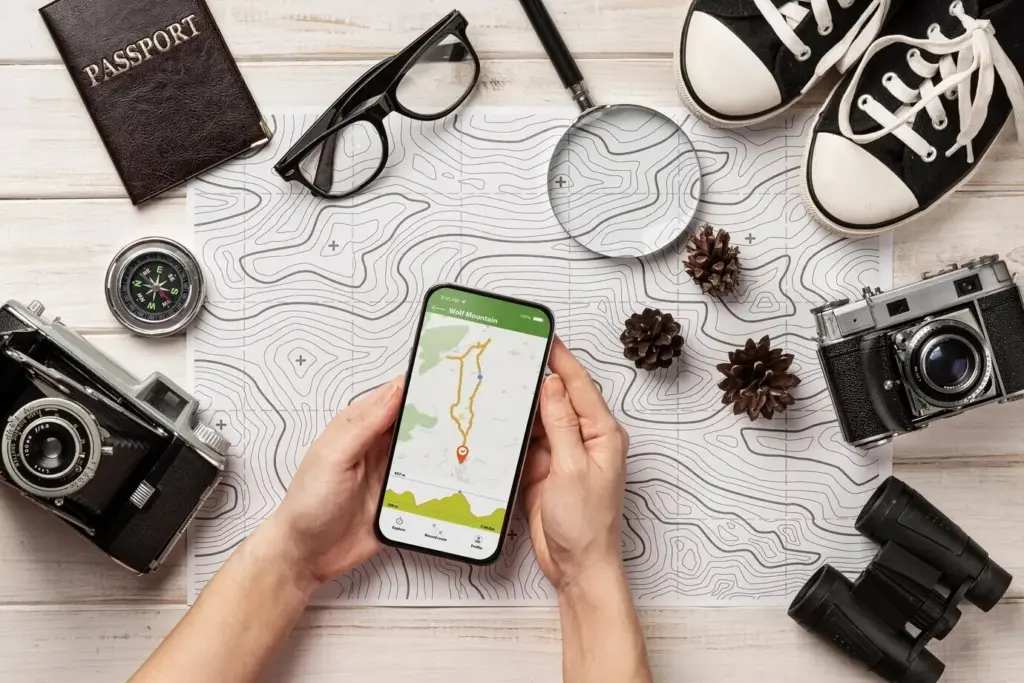
Choosing rentals and second‑life gear supports local shops and cuts production emissions. Field repairs give tents, zippers, and jackets longer lives, while swap shelves at lodges keep useful items circulating. Guides carry small fix kits and show you simple stitches that outlast hype. Donation bins channel extras to youth programs. You save money, reduce waste, and learn skills you’ll use again. The land benefits when we demand durability instead of novelty at every turn.

Supplies That Tread Softly

Sunscreen, soap, and snacks can be chosen with watersheds in mind. Reef‑safe formulas, biodegradable wash, bulk refills, and reusable packaging keep microplastics and residues out of streams. A compact thermos replaces throwaway cups; a sturdy filter bottle eliminates single‑use entirely. Even tiny choices—like unscented toiletries—matter for wildlife. Guides highlight refill stations and communal spice kits to cut duplicates. Your kit becomes a quiet pledge that convenience and care can coexist, one refill at a time.

After Your Tour, Stay Involved

Keep the momentum alive by subscribing to trail updates, joining citizen science counts, or supporting Indigenous guardian programs you met. Share respectful photos and reflections, and post reviews that prioritize environmental and community practices, not just scenery. Ask questions, request accessibility details, and suggest improvements. Your voice helps operators refine standards and inspires friends to book thoughtfully. Comment with your dream Canadian province, and we’ll send curated, instantly bookable options aligned with seasons, safety, and stewardship.

Zelaxexepenivatu
Privacy Overview

This website uses cookies so that we can provide you with the best user experience possible. Cookie information is stored in your browser and performs functions such as recognising you when you return to our website and helping our team to understand which sections of the website you find most interesting and useful.